
Rebellion and Dissent Against The Colonizers
KeyTakeaways
This Himalayan hill community is known for their warrior identity, and has a history of wars and conflict both with other tribes, and the British colonisers. During the time when the freedom struggles were breaking out in other parts of the country, the Adis of the Siang region bravely fought against the imperial policy of colonial expansion of the erstwhile British rulers in India. The Adis fought quite a few wars against the British to stop them from entering their habitats. Though the British could penetrate into the Brahmaputra Valley as far up as Pasighat, they could not make way beyond that, owing to the dense and impenetrable forests of the foothills and mountainous terrains of the Eastern Himalayas. The Adis were also hostile and uncooperative towards the intruders, who were trying to access their land and natural resources primarily for commercial and trading interests. Their war with the British were fought at various stages and they had a name for each war - Bitbor Mimak (1858), Bongal Mimak (1859), Nijom Mimak (1894) and Poju Mimak(1911).
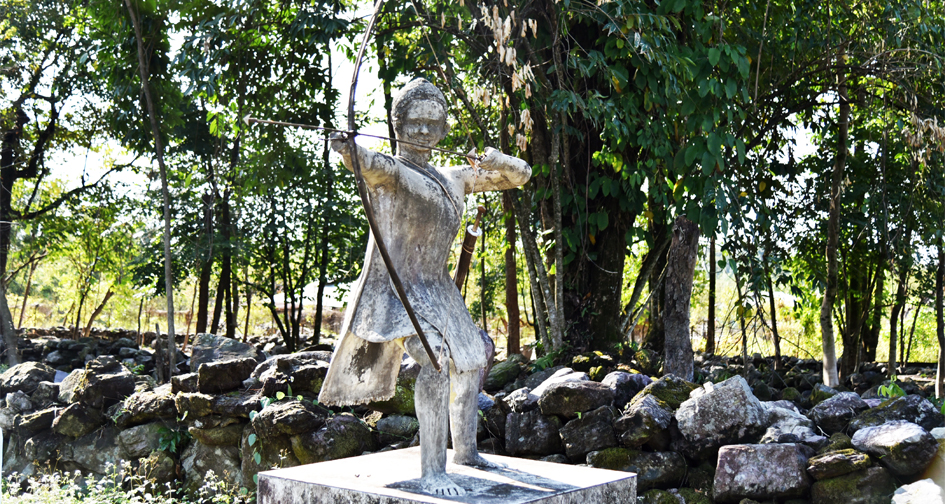
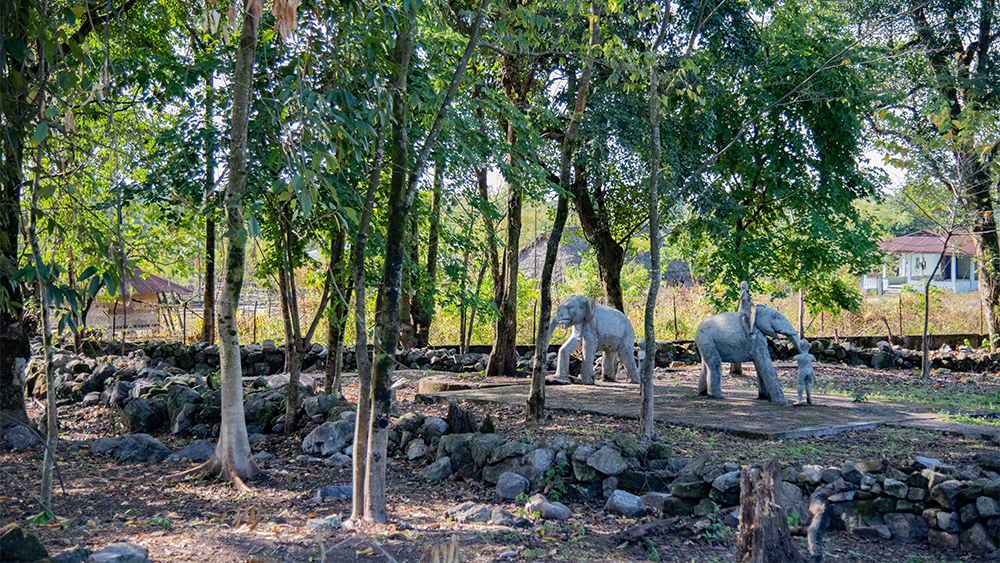
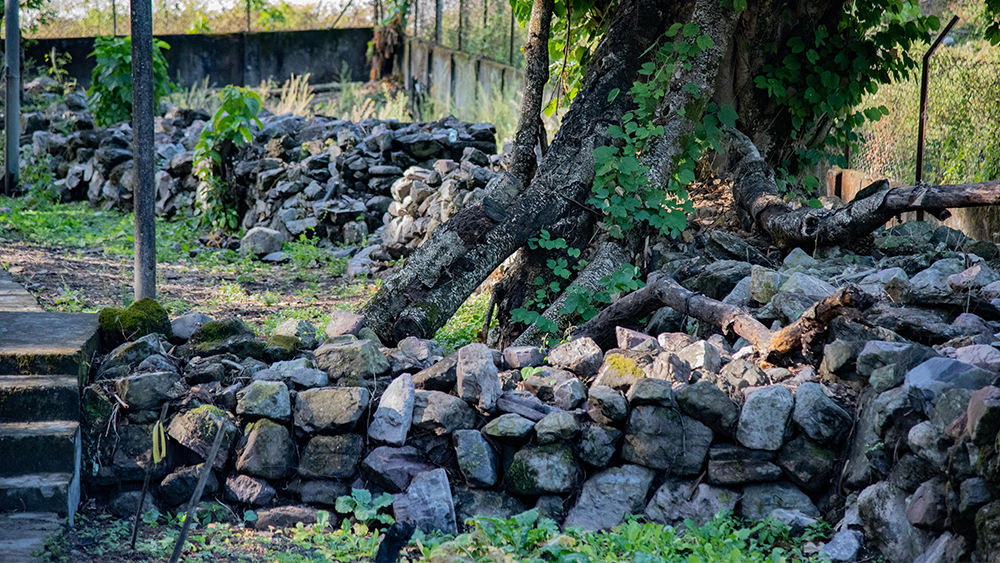
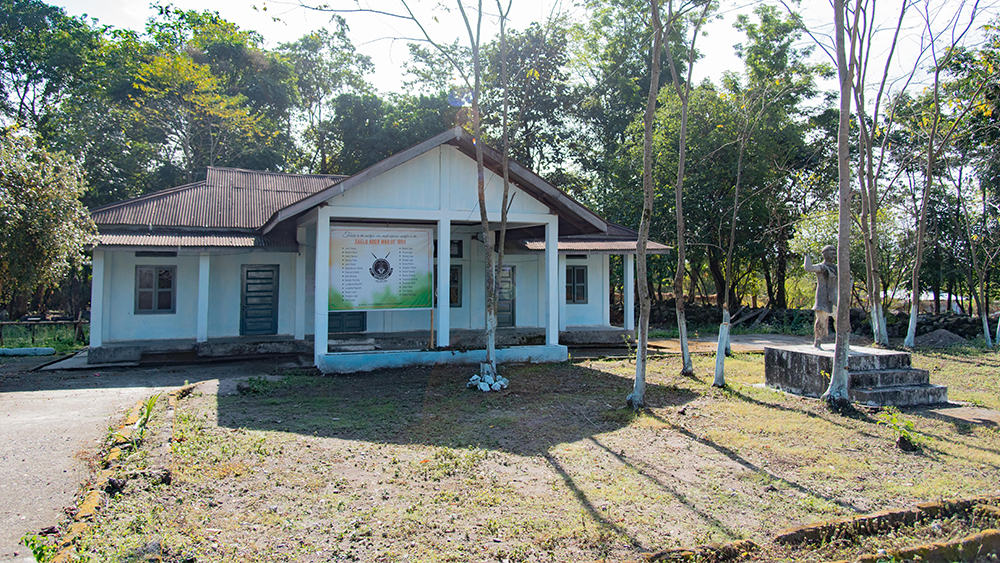
The first visit of the British to the Adi land is reported to be in 1826, after the Treaty of Yandaboo, by Captain Bedford which was thwarted by the Adis. This led to a series of four military expeditions, the first and second of which were carried out along the right bank of river Siang in 1858 and 1859 leading to the first Anglo-Abor War known as ‘Bitbor Mimak’ in 1858 and the second Anglo-Abor War known as ‘Bongal Mimak’ in 1859. The British forces had to pull back in the consecutive expeditions or wars because of the unprecedented strong retaliation offered by the Adi warriors. The Britishers carried out a third military expedition along the left bank of Siang, led by J F Needham, assistant political officer, Sadiya, Captain Maxwell and Lieutenant East in 1894, centred around Damroh village that led to the 3rd and crucial Anglo-Abor War known popularly in oral history as Nijom Mimak. It is evident from many historians and scholars like Agnus Hemilton in his Book "In Abor Jungles of North East" and A. Mackenzie "The North-East Frontier of India'' that a huge boulder stockade (locally called Bongal Yapgo) held back the advancing troops for several days. Their ambitious advance was halted by a 10ft high and 2000 yards long Bongal Yapgo that was built by bare hands of the determined villagers with locally available huge boulders, most measuring 4-5 feet across, with bamboo peepholes for firing arrows from within. The present day remnants of Bongal Yapgo is a testimony of fearless, proud and freedom loving nature of the Adis, who were fiercely defiant to any subjugation by the mighty British regime. Bongal Yapgo is not only a symbol of simple stockade but it earned a long history of the land and people. It has a history to tell about independence and confrontations, submission and subjugation of the Adis with the British regime. The fourth and last Anglo-Abor War in 1911-12, which is one of the most important Anglo-Abor Wars in the history of the freedom movement in Arunachal Pradesh known as the Poju Mimak was fought from October 6, 1911, to January 11, 1912. The land of Adis remained literally independent without being annexed or controlled by the British until the last part of the 19th century.

Subscribe to Blog for updates