
The Intangible Cultural Heritage of Miju Mishmi

Key Takeaways
Food:
Their diet consists of 'Mishmi' rice cooked with ginger and sesame seeds, bamboo shoots, dried and fresh fish and meat. Oranges grow in abundance in their areas which they consume and sell. Sweet potato is a common snack consumed with home brewed rice beer. They also make their own tea which is a daily beverage. They make both rice and millet beer of different strengths.
They practise indigeneous methods of preserving food by smoking, drying, and storing, till date. An essential feature of their household is a wooden three or four storeyed hanging rack suspended over the hearth/ fireplace which is fixed to the roof. Each section has specific uses. The lowest section has a perforated base through which the smoke from the fireplace rises to dry up and preserve the stored meat and fish. The other sections are used for storing grains, seeds, firewood, etc. The main wooden frame of this structure is used to hang different types of bamboo containers for different ingredients and food items.
Attire:
The women wear a two-piece skirt - a relatively plain long wrap around with multi-coloured stripes on the lower part, and a shorter fabric with the same striped design covering the upper half of the long skirt, tops with patterned borders and all-over designs, and colourful stoles. The traditional colours are red, pink, and white for the women's clothes. The men traditionally wear loin cloth and a 'Mishmi' coat. The Mishmi coats are half sleeve, thigh length, and also woven in pink, red and whites, look gorgeous, and bear complex designs. Weaving this coat requires highly skilled weavers as everyone cannot make it. Turbans are worn by men.
The traditional dressing of the women is an elaborate process as they adorn themselves with several ornaments such as silver necklaces studded with gemstones, white and orange stone necklaces, silver earrings, silver bangles, silver hair pins and hair bands. They also wear necklaces made up of antique silver coins. These ornaments are inherited by the women through generations from their mothers and constitute the 'stree dhan'. These silver coins and jewellery, valuable stones, etc. are owned by the Miju Mishmi families since the ancient trading activities of their forefathers. They also carry a typical sling bag made of cloth, with coins attached to the bag strap, making it stunning to look at.
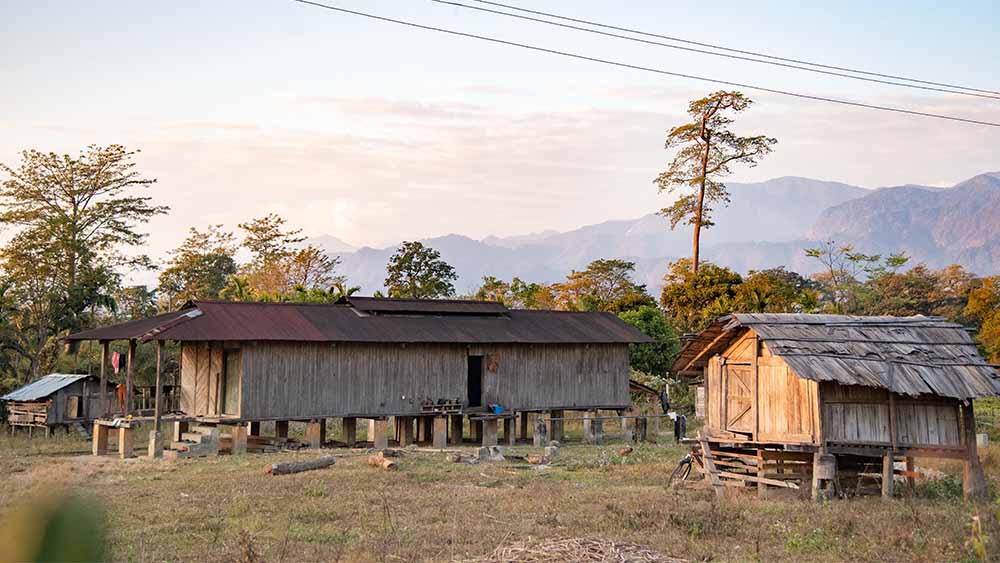
Traditional Miju Mishmi House Inside Miju Mishmi House Inside Miju Mishmi House Spirituality of Miju Mishmi Traditional Attire of Miju Mishmi Head band of Miju Mishmi Traditional food of Miju Mishmi Performing arts of Miju Mishmi Miju Mishmi Tradition Textile weaving Miju Mishmi Textile motifs


.jpg)
.jpg)
.jpg)
.jpg)
.jpg)
.jpg)
Weaving:
The Miju Mishmis have extremely rich traditions of textile weaving. They have a wide repertoire of designs, patterns and colours that signify their culture. They use back strapped looms to weave the fabric. The women naturally know the art of weaving. They believe that this skill cannot be taught as all Miju women are born with the blessings of their indigenous goddesses of design and weaving. The natural weaving expertise is God gifted. A story goes that the folk goddess, Simbral Mai', having the form of a fish is the creator of their designs, and the goddess of weaving, 'Phawa' is a small bird who perches on the shoulders of those Miju Mishmi women she chooses. These women excel in their weaving skills and creativity. There are folk stories about the origin of their weaving and traditional designs that have been passed on orally through generations.

Subscribe to Blog for updates