
The Intangible Cultural Heritage of Khampti
Key Takeaways
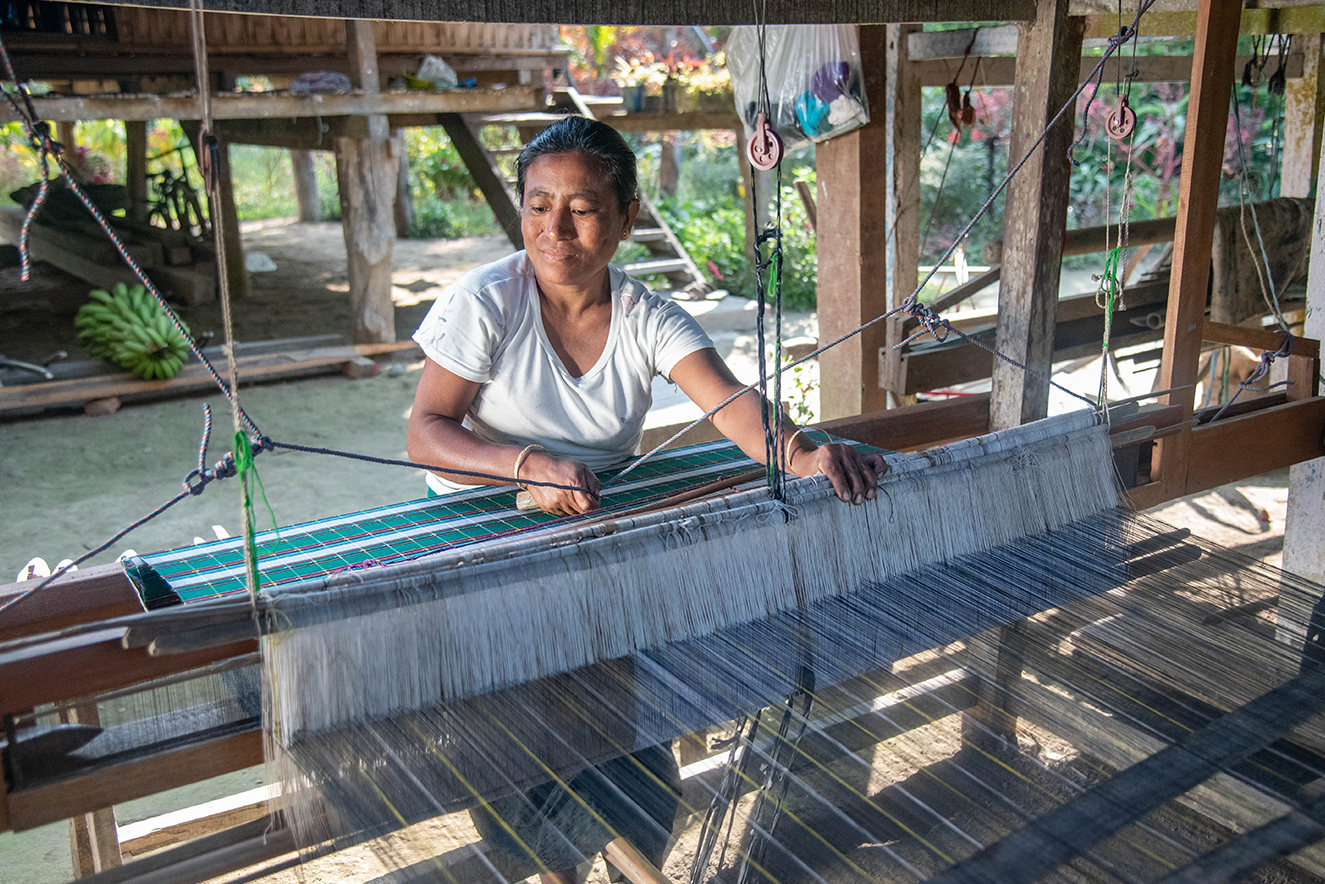
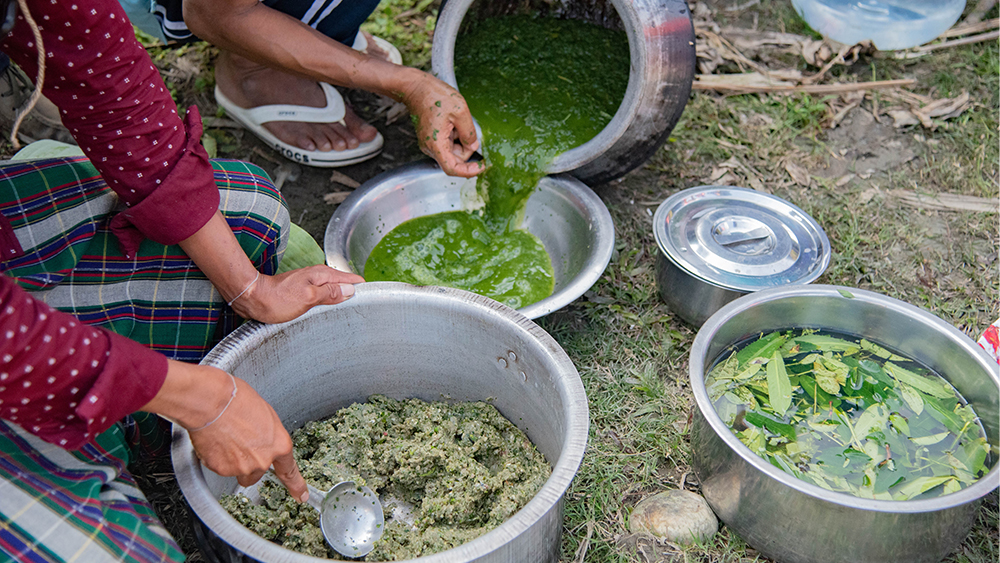
The staple food of the Khamptis is rice which is usually supplemented with meat, vegetables and fish. The Ttai Khampti community has an attraction of slow cooking. Their native dish called “Pa-Sa” is a fresh river fish soup made with special herbs and is considered a delicacy. The process of preparing the fish is leborious and involves several steps including cleaning, cutting and chopping the fish followed by grinding the fish along knife on a wooden chopping board and the mixing of herbs with it, local spices like coriander, szechuan pepper, basil and vietnamese mint, salt and red chilli powder. Finally the fish and herbs are pounded to obtain a smooth mixture, the fish bones are smoked in fire and shredded to be added in the mixture, at the end. Water is added and strained with cheesecloth to make the soup. The soup is not cooked but is processed in its raw form. The most common fish used in the soup is Pakhum and Sundari.The Khampti men usually wear full sleeve cotton shirt “Psu pachai” with multi-coloured chequered sarong “Phanoi” . Women wear a tp with colourful long sarong “Sinn”, accessorised with a scarf “Phamai”.The Khamptis are known for their enterprising character and were historically known to make their own paper, ink and pen in the olden days. There are different types of handmade paper made out of the bark of trees (which has a reddish tinge), paper made with bamboo has a creamish white tinge. Ink and pencil are also handmade by the community. The ink was prepared with natural material and chemicals were added to make it waterproof, however the traditional process of making ink and paper is lost amongst the khampti community today. The Khampti culture has been showcased with various collections of their traditional items at the tai Khampti singpho museum cum research centre.
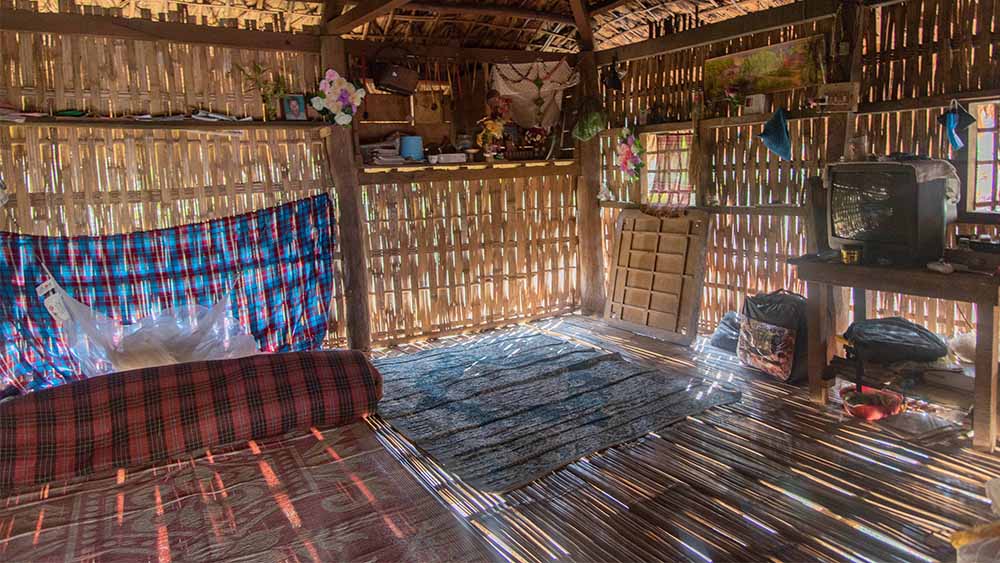
Inside Khampti traditional house Traditional Khampti attire Traditional cuisines of Khampti tribe Making of Pa Sa by Khampti Handlooms of Khampti Textiles of Khampti Ritualistic Symbols of Khampti tribe
.jpg)
.jpg)
.jpg)
.jpg)
.jpg)

Subscribe to Blog for updates