
Food, attire and Crafts of Galos
Galo food is simple tribal food. The rice that they consume is locally cultivated and has a unique flavour. The cooking methods are roasting, steaming and fermentation. Galo food generally includes rice, meat and fish stuffed inside a bamboo tube or wrapped in leaves. Other dishes are prepared with a variety of local vegetables such as bamboo shoots and banana flowers among others are also frequently eaten.
The galos are extremely hospitable people and offer a wide range of astronomical delights that can easily stimulate one's taste buds.
The Galos are experts in weaving and bamboo craft. Women weave beautiful fabrics for themselves in every household with back strap looms. Some also fulfill local market orders.
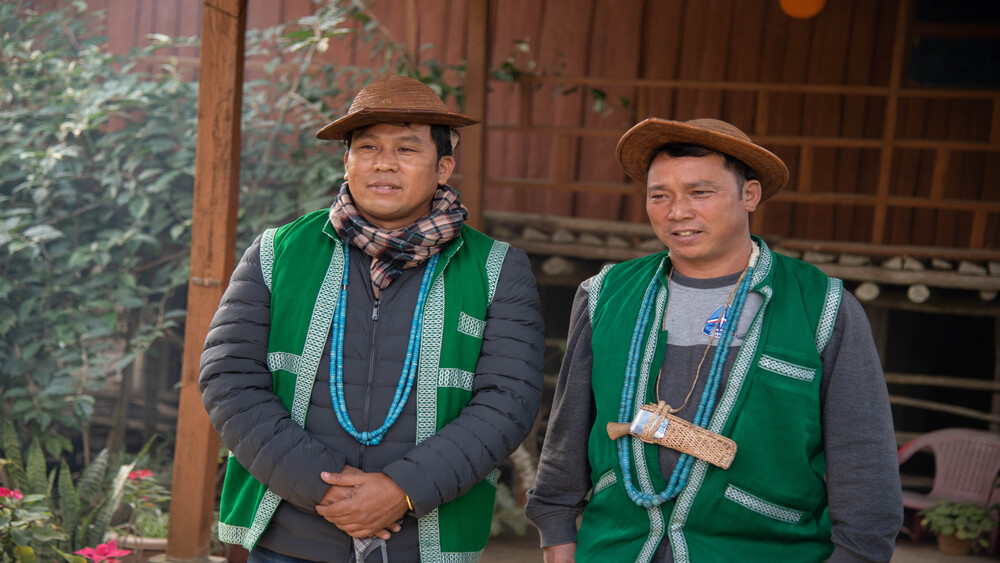
The men are experts in bamboo and cane craft. All their utility items are made of bamboo and cane ranging from different kinds of baskets and containers, to knife cases, hats, mats, hunting equipments, etc. Their baskets always have a strap for carrying at the back. They also use unique bamboo backpacks. Smaller baskets and containers are used for storing rice, grains, food, etc. bamboo trays are used for serving food and drinks. Their traditional hats are made of cane and is called Bolup. The men wear these hats. The hunting equipments of Galos are also beautifully crafted and showcase a high sense of aesthetics.
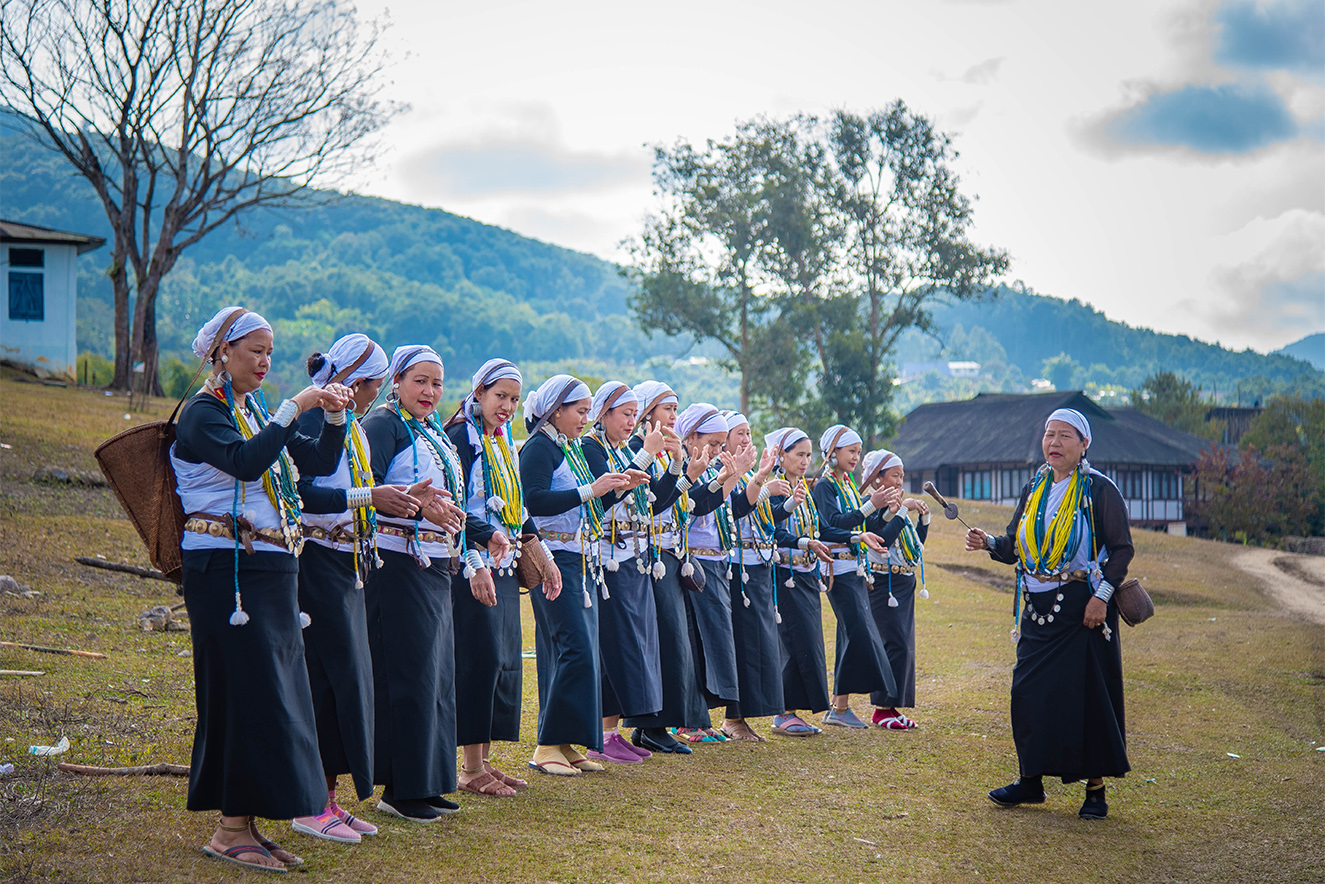
They traditionally wear a wrap around skirt with white coloured striped designs in the middle called Gale, and a half sleeve jacket called Tango with criss-cross patterned borders. Their ceremonial dress is traditionally white with designs in black threads. While the women wear the gale, the men wear white loin cloth. The women also cover their heads with a white cloth as part of the attire. In more recent times the community has also developed a Galo uniform to reinforce their identity which is green with white thread-designs on it. The men also wear the same green jacket as women. They use two looms to weave the wrap around skirts. One loom is used to make the base fabric. The other, smaller loom, is used to weave the patterned portion.
The women adorn themselves with beautiful ornaments. Their jewelry includes different types of stone and bead necklaces which have been precious family treasures for generations and are passed on from mothers to their daughters during marriage. The women wear a wide variety of necklaces - one with yellow and white beads called 'Mampu', one with multiple strings of blue, green, yellow and orange stones called 'Lichum' , and a more decorative red one called 'Kotak gale'. Golpot are coin necklaces.
Mithun is used for ritual sacrifices, and marriage transactions as bridal prices. Thus, owning Mithuns is a sign of pride and affluence. Currently many are becoming Christians. The priest we met mentioned they have followers of Donyi-Poloism only in three villages.The Galos have a rich culture of traditional folk dances and songs primarily celebrating harvest and prosperity. Being an agrarian community, festivities revolve around preserving and conserving their lands and nature. Mopin is the annual harvesting festival of the Galos held in April. Rice powder which is grinded at home is an important ingredient in their festival. Traditional attire of Galos woven by them Hand made bamboo baskets Traditional food cooked and smoked in bamboo vessels Inside Galo house Rituals and performances of Galo


Subscribe to Blog for updates